
10 quick actions you can take to improve warehouse security
Warehouse security is a tough tightrope to walk, and increasing it often feels overwhelming. You need to protect your company and its products while also creating a positive workplace, so employees do not feel mistrusted.
Here are some quick ways to secure your warehouse that also support broader efforts to benefit your employees.
1. Use a WMS for automatic inventory counts
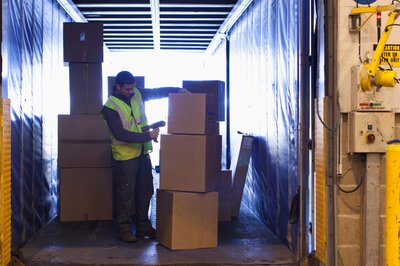
Manual data entry for inventory and shipment verification leaves plenty of room for errors and fraud. Integrate your WMS with handheld devices or RFID readers for accurate, automated counts. This helps prevent theft by recording goods as soon as they arrive and reduces the chance that someone can change numbers and steal products.
2. ID badges with RFID
RFID sensors and gates track goods as they move through your warehouse. By adding RFID tags to employee IDs, you can use the same equipment to monitor staff activity and movement.
This data helps you keep both people and assets safe by watching for safety issues and theft. ID badges also let you track delivery drivers or others who should not be in certain parts of your warehouse.
Guide: get over 120 WMS feature ideas to help you build a requirements list and shortlist vendors
How do I restrict warehouse access to certain users?
To restrict warehouse access to certain users, follow these guidelines:
- Role-based access control (RBAC): Set up a system that grants access based on user roles. For example, only warehouse managers may have access to sensitive inventory areas.
- Badge and keycard systems: Use RFID-enabled badges that can restrict entry based on the individual's role or department.
- Biometric access: For highly sensitive areas, consider using biometric access control, such as fingerprint or facial recognition, as a more secure alternative to keycards.
- Log access attempts: Keep a log of all access attempts to review if unauthorized entry is detected.
3. Fence in your location
You can’t control what you haven’t contained. Fencing your property is a practical way to keep people out of restricted areas and helps create a sense of safety. Add bright lighting, and potential thieves may choose to avoid your warehouse.
How can we prevent theft in our warehouses?
Warehouse theft can be a significant issue if not proactively managed. Here are some practical steps to help prevent it:
- Limit access to sensitive areas: As mentioned above, use access control systems to restrict unauthorized personnel from critical zones like inventory storage and shipping.
- Real-time surveillance: Implement 24/7 surveillance using CCTV cameras with remote access to catch theft or prevent it by increasing visibility.
- Employee monitoring: Track employee movements via ID badges and RFID tags to ensure they are only in authorized areas.
- Perform regular inventory checks: Ensure frequent stock checks to detect discrepancies early, minimizing the window for theft.
- Employee engagement and incentives: Building trust with your employees and recognizing good behavior can help reduce internal theft.
4. Install CCTV
For small warehouses, installing Wi-Fi-enabled CCTV cameras is a quick option. You only need a power outlet and an internet connection. CCTV helps protect both your assets and staff, and it may even lower your insurance costs if it leads to fewer injuries or losses.
5. Add motion detectors
Motion detection is a core part of most security systems; beyond motion-activated lights, you can now use sensors that track movement and send alerts to managers or police. Use these detectors and clear signs to keep people out of restricted areas.
6. Use environmental controls and sensors
Security is not only about stopping theft. It also means protecting goods from damage and keeping people safe. Try to connect your environmental controls to your dashboards. This lets you watch temperatures for fire risks, check refrigerators to prevent spoilage, and track power use. Environmental sensors help defend against emergencies.
7. Hire security personnel
What’s the biggest gap in your warehouse security?
If you're unsure, it may be time to hire a professional. Security staff are there to protect your team, not to accuse them.
Theft and fraud can put your staff at risk, and ongoing theft can threaten jobs. Explain to your team why you are hiring security so they understand it is for their protection.
8. Secure all passwords
Online threats are as common as physical ones in the warehouse. Start by using strong passwords and turning on two-factor authentication (2FA). You can set up 2FA to send a text to employees’ phones or use a device that shows a changing password.
Train your staff on how to create strong passwords and make clear rules about when it is okay to share a password or when IT should reset one.
9. Simplify your processes
How long has it been since you’ve reviewed your warehouse operations? Are teams spending a lot of time in the back corners away from others? Do you have dozens of touches for each order?
Warehouse processes often become more complicated over time. Extra steps and delays can increase security risks. Simplify your workflow to reduce opportunities for theft, whether from staff or outsiders, such as delivery drivers staying too long.
10. Engage with employees
To understand security risks, talk with your warehouse team. Learn what they think about their jobs, what concerns they have, and where they see problems. You may boost morale and lower theft by offering incentives or thank-you programs, or by discovering issues you had not noticed.
Warehouse security checklist
To keep your warehouse secure, follow a clear security checklist. Here is a simple guide to get started:
- Ensure perimeter security: Fence the area and install bright lighting.
- CCTV and motion detection: Install Wi-Fi-enabled cameras and sensors.
- Secure access control: Use ID badges with RFID and establish controlled access zones.
- Regular audits and inspections: Conduct routine checks on inventory, security equipment, and employee activity.
- Employee training: Provide security awareness training for all staff.
Final thoughts
Improving warehouse security means using strong access controls, working with your employees, and checking your systems regularly. Tools like RFID badges, CCTV cameras, and clear access rules help protect both your inventory and your staff.
Keep your security checklist up to date and involve your employees to make sure your security measures work well and adapt to new risks. This helps prevent theft and keeps your warehouse running smoothly.

Free white paper

WMS requirements template
Over 120 WMS feature ideas to help you build a requirements list and shortlist vendors

Featured white papers


Related articles
-

Warehouse picking and packing processes: how much labor do you need?
Logiwa's Erhan Musaoglu shows you how to calculate picking and packing labor requirements for you...
-

Mission-critical features of food lot traceability software
What features of food traceability software will help you during a food recall
-
How can your WMS streamline loading bay activities?
Your WMS can save you time, effort and money on loading bay activities - if you use it correctly